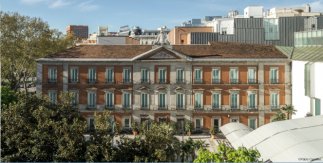
The hall, located in a building of great architectural wealth, came about under the name of the Coliseo Pardiñas in 1927 and was the work of Luis Ferrero. It later changed its name to the Coliseo Alcalá, followed by the Alcalá Palace Theatre and, now, New Alcalá Theatre, in which some of the most important musicals on the Spanish line-up are performed.
Under the name of Alcalá Palace, it enjoyed years of splendour, with a programme full of important zarzuelas and leading figures from flamenco. In 1975, it premiered the musical “Jesus Christ Superstar”, by Andrew Lloyd Weber, a hit yet controversial musical performed by Camilo Sesto and Ángela Carrasco.
After being closed for fourteen years, the businessman, Alejandro Romay, and the architect, Margarita Massó, opened the New Alcalá Theatre in 2001.
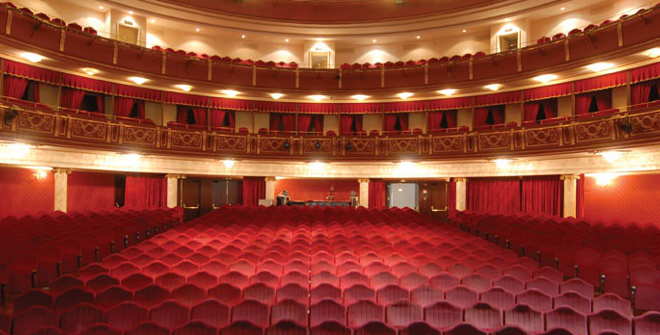
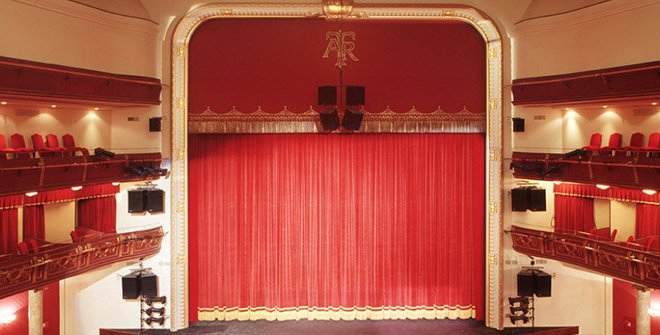
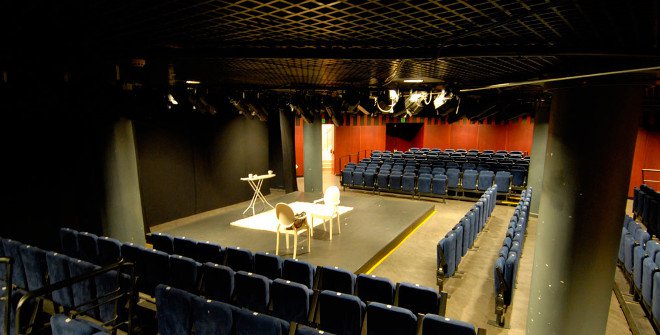
The new theatre has two halls. The main hall is larger. It has a traditional Italian layout with large stalls, two circles and various boxes, with good visibility from all angles. Hall 2 is a multi-purpose space located in the basement of the building. It has a more modern layout and style, which is ideal to host more avant-garde productions as well as children’s performances.
The Nuevo Apolo was revamped in 2025 thanks to ATG Entertainment, its current owner, and the designer, Lola Rúa. Its current design combines Italian theatricality, British elegance and Spanish craftsmanship in a bright dialogue between past and present.
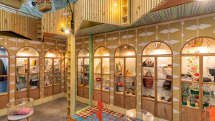
The building, which was built at the height of Madrid's Art Deco period, exudes an elegant and sophisticated spirit that is typical of the 1920s, which has been respected and reinterpreted with a contemporary twist. The result is a sensory journey that transforms the experience for visitors from the moment they step inside. New lounge areas, a piano bar and a store are located on the ground floor, serving as a prelude to the show. Each corner combines elegant and timeless English simplicity with the theatricality of small Italian theatres, as well as the personality of Spanish decorative arts from the 1920s: warm colours, golden shimmers, geometric motifs and materials that evoke the cafés and salons of that era.

 nuevoteatroalcala_1397247156.579.png